
What dental veneers could mean for you
Deciding to get dental veneers is an important choice, and it’s healthy to have questions. You may wonder whether they will feel comfortable, how much of your natural tooth is involved, or how long the results will last. These considerations are valid and deserve careful thought. The process is not a mystery; it is a carefully planned clinical journey designed to prioritise your dental health. Understanding each step helps you move forward with confidence, knowing what to expect and how veneers can enhance your smile.
What are dental veneers?
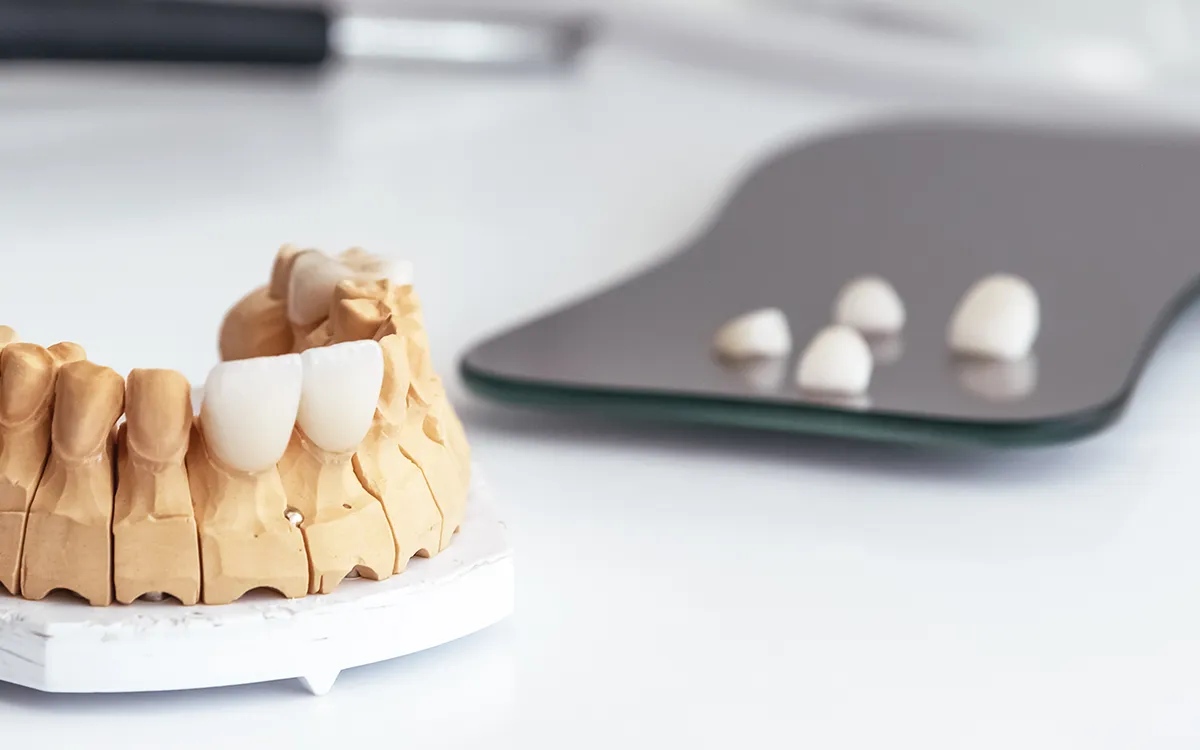
Dental veneers are thin, custom-made shells that cover the front surface of teeth to improve both appearance and function. They are designed to address a variety of cosmetic and minor structural concerns, including decay, discolouration, small chips, cracks, uneven spacing, and mild misalignment. Each veneer is carefully crafted to match the shape, size, and colour of your natural teeth while ensuring a comfortable bite. The result is a durable, natural-looking finish that enhances your smile without compromising tooth function.
Types of veneers
Composite resin veneers (Direct veneers)
Composite resin veneers are applied and shaped directly onto your teeth in a single appointment. They are minimally invasive, often requiring little to no removal of natural tooth structure. While generally more affordable than porcelain, composite veneers may need periodic maintenance or touch-ups to retain their appearance over time.
Porcelain veneers (Indirect veneers)
Porcelain veneers are custom-crafted in a dental laboratory or using in-house digital milling technology. The process typically requires multiple appointments, including tooth preparation, impression taking, and final fitting. Porcelain veneers are highly durable, stain-resistant, and closely replicate the translucency and texture of natural teeth, providing a long-lasting and lifelike result.
Who can benefit from veneers?
Dental veneers can address a variety of cosmetic and minor structural concerns, making them a versatile option for enhancing your smile. They are particularly suited for:
- Teeth that are discoloured or stained and do not respond to whitening treatments
- Minor misalignment or unevenly shaped teeth
- Decayed, worn, chipped, or fractured teeth
- Gaps between teeth that affect the overall aesthetics of your smile
Your dentist will evaluate the strength and health of your teeth to ensure they can support veneers. They will also discuss realistic outcomes, taking into account both your oral health and cosmetic goals, so that you can make an informed decision.
How veneers work
The procedure varies slightly depending on the type of veneer:
1. Consultation and planning
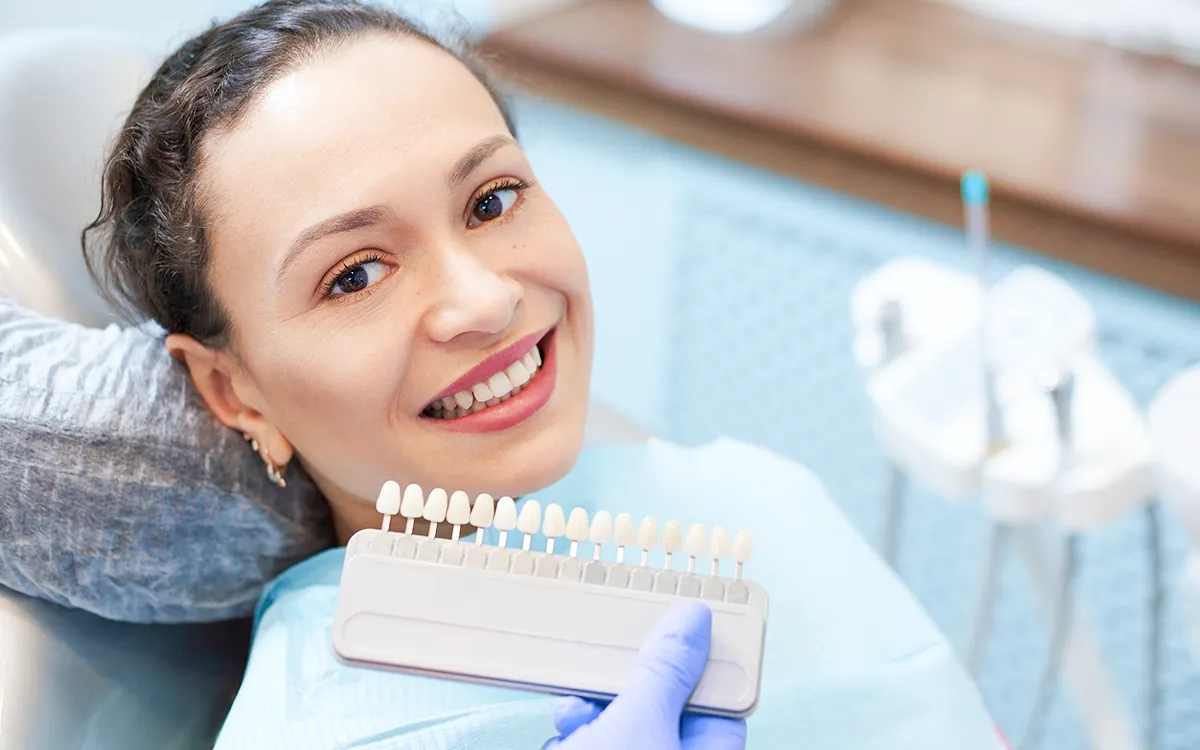
Your dentist will examine your teeth, review your goals, and may take digital impressions or photographs to assess your condition. This also helps plan the ideal shape, colour, and fit of your veneers.
2. Tooth preparation
Minimal reshaping of your natural teeth may be required to ensure the veneers fit correctly without compromising surrounding teeth. Direct (composite) veneers usually require less preparation than porcelain veneers.
3. Veneer fabrication
Porcelain (indirect) veneers are custom-crafted in a dental laboratory or using in-house digital milling technology. Composite (direct) veneers are sculpted and cured directly on your teeth during the appointment.
4. Fitting and bonding
The veneers are placed, adjusted for bite and fit, and then permanently bonded using a specialised dental adhesive to ensure durability and comfort.
5. Final evaluation
Your dentist will check the bite, alignment, and overall aesthetics to ensure the veneers look natural and function properly, completing the procedure with a confident, long-lasting result.
What to expect during the process
Multiple appointments for indirect (porcelain) veneers: Usually one visit is for tooth preparation and impressions, and a second visit is for fitting the final veneers. Direct (composite) veneers often require only a single appointment.
Temporary veneers: In cases of porcelain veneers, temporary veneers may be used to protect your teeth while the permanent ones are being fabricated.
Minor sensitivity: You may experience temporary sensitivity to hot or cold foods and drinks for a few days after placement.
Adjustments for fit and bite: Your dentist may make small refinements to ensure comfort, proper alignment, and a natural bite.
Initial aesthetic trial: Some dentists offer a try-in or preview of veneers using digital simulations or temporary mock-up shells to ensure you’re satisfied with the planned shape and colour.
Healing and adaptation: It can take a short period to adjust to the feel of the veneers in your mouth, especially if multiple teeth are treated.
Factors to consider before getting veneers
Oral health
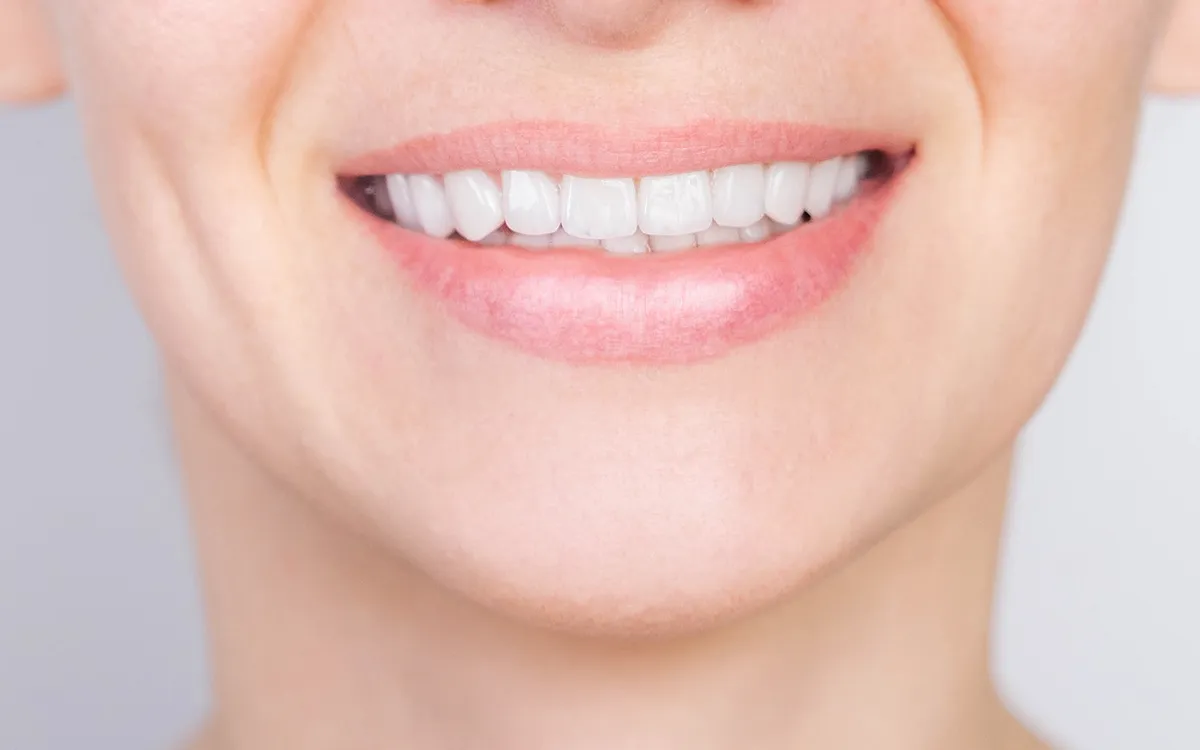
Healthy teeth and gums are essential before veneers can be placed. Any untreated decay, gum disease, or structural weakness must be addressed first to ensure the veneers have a stable and long-lasting foundation.
Longevity and durability
The lifespan of veneers depends on the material used and how well they are cared for. Composite veneers typically last around 5–7 years, while porcelain veneers are more durable and can last 10–15 years or longer. Over time, veneers may require replacement due to wear, chipping, or natural changes in your teeth and bite.
Maintenance requirements
Veneers require the same level of care as natural teeth. Daily brushing, flossing, and regular dental check-ups are essential to maintain the health of the surrounding teeth and gums, as well as the appearance and function of the veneers.
Lifestyle habits
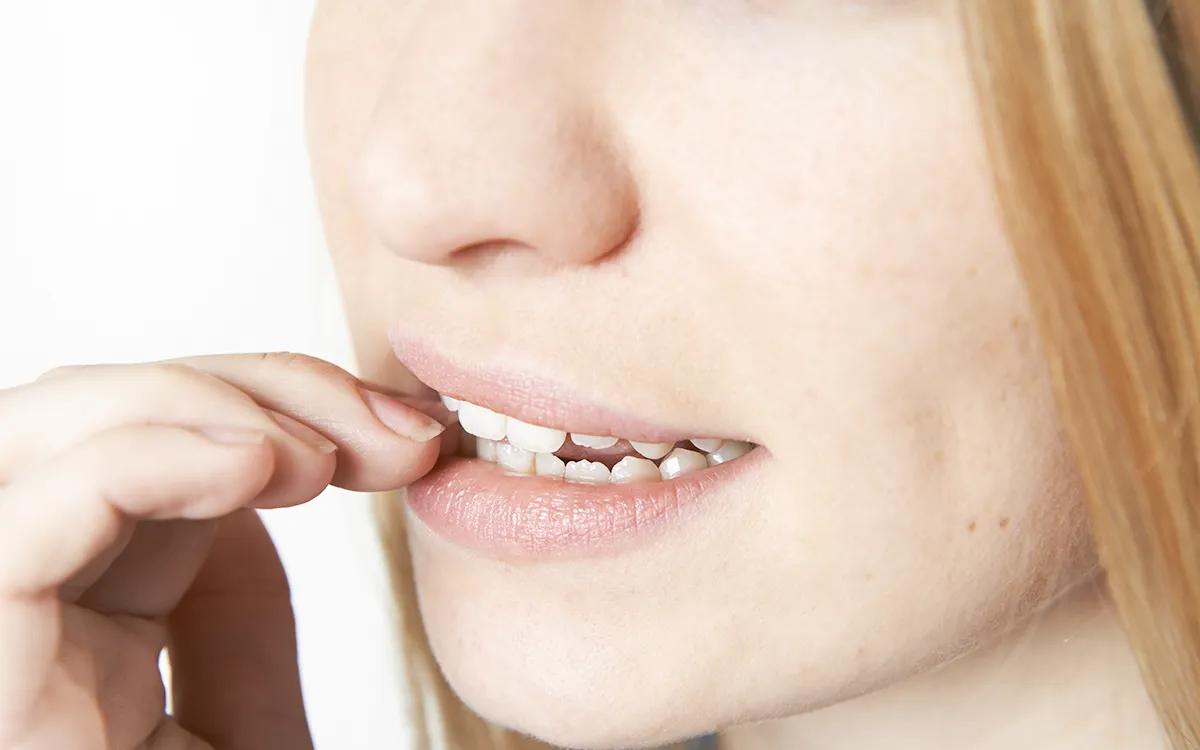
Habits such as teeth grinding, nail-biting, or chewing on hard objects can increase the risk of veneer damage. If grinding is present, your dentist may recommend a custom night guard to protect both your veneers and natural teeth.
Tooth alignment and cosmetic expectations
While veneers can improve the appearance of mildly uneven or misaligned teeth, they cannot correct significant crowding or bite problems. In cases of moderate to severe misalignment, orthodontic treatment may be recommended first. Straightening the teeth beforehand can also reduce the amount of tooth preparation required, helping preserve more of your natural tooth structure.
Tooth preparation
Some veneers require minimal reshaping of the natural tooth to ensure a proper fit and natural result. The extent of preparation varies depending on the veneer type, tooth position, and cosmetic goals. Your dentist will aim to keep tooth reduction as conservative as possible while achieving a predictable and long-lasting outcome.
Cost considerations
The cost of veneers varies based on the material and complexity of the case. Porcelain veneers are generally more expensive than composite options but offer greater durability and stain resistance. It is important to consider veneers as a long-term investment in both appearance and oral health.
Caring for your veneers
Caring for veneers follows the same principles as maintaining healthy natural teeth. Consistent oral hygiene and regular professional care are essential for preserving their appearance and function:
- Brush twice daily using a non-abrasive toothpaste to protect the veneer surface
- Floss daily to maintain healthy gums and prevent inflammation around the veneers
- Avoid biting hard foods or using your teeth as tools, as this can cause chipping or damage
- Attend regular dental check-ups and professional cleans to monitor both the veneers and surrounding teeth
If you give your veneers proper care, they can remain durable, natural-looking, and comfortable for many years, supporting everyday oral function.
Smiles that work beautifully
Friends and family may notice the renewed sparkle in your smile, and that’s not even the biggest benefit of veneers. With this treatment, many people rediscover comfort, strength, and natural function in their smile. It brings together clinical precision and thoughtful craftsmanship to enhance your smile while preserving as much of your natural tooth as possible, so you can enjoy great aesthetics, full use of your teeth and optimised oral health. With the right planning and a skilled dentist guiding the process, the result is a smile that looks natural, feels comfortable, and works as it should.
Long-term success comes down to good habits and ongoing care. Regular brushing, flossing, and routine dental visits help protect your veneers and keep your teeth and gums healthy. Choosing veneers isn’t just about improving how your smile looks; it’s a practical step towards better oral health and overall wellbeing.