Is this a dental emergency, or can it wait?
Dental emergencies don’t send a warning text first. One moment you’re eating dinner, playing sport, or sleeping peacefully. The next, you’re in pain and wondering how serious it really is.
In moments like these, it can be difficult to know what to do next. Many people worry about overreacting, while others assume the issue can wait, only to discover later that immediate treatment would have made a significant difference.
The reality is that some dental situations require urgent professional care to prevent tooth loss, serious infection, or ongoing complications. Others, while uncomfortable or frustrating, can safely wait for the next available appointment. Understanding the difference can help you make informed decisions, reduce unnecessary stress, and ensure you receive the right care at the right time.
What qualifies as a true dental emergency?
Before discussing dental emergencies, it is important to recognise that some situations are even more urgent and require immediate medical attention. If you are experiencing difficulty breathing, difficulty swallowing, rapidly increasing facial swelling, severe facial trauma, or any other potentially life-threatening symptoms, call 000 immediately or go directly to your nearest hospital emergency department. Do not wait for a dental appointment. These situations may require urgent medical treatment in addition to any dental care that may be needed.
A genuine dental emergency typically involves one or more of the following:
- A risk of losing a tooth
- Severe dental pain or infection
- Significant swelling affecting the mouth or jaw
- Ongoing bleeding following dental trauma or treatment
- Significant trauma to the teeth, mouth, or jaw
- Pain that cannot be managed and is affecting normal function
These situations require prompt professional attention to relieve pain, prevent complications, and maximise the likelihood of a successful outcome.

True dental emergencies need professional care ASAP
A tooth that has been completely knocked out is one of the most time-sensitive dental emergencies. In many cases, a dentist may be able to successfully replant the tooth if treatment occurs quickly. The best chance of saving the tooth is usually within the first hour after the injury.
If this happens:
1. Pick up the tooth by the crown, not the root
2. Gently rinse it if dirty
3. Try to place it back into the socket if possible
4. If not, store it in milk or saliva
5. Contact an emergency dentist immediately
Prompt action can make the difference between saving and losing the tooth.
Swelling affecting the cheek, jaw, eye area, or neck should never be ignored. Significant swelling can indicate a dental abscess or spreading infection. Left untreated, serious oral infections can extend beyond the mouth and may affect overall health.
Seek urgent care immediately if swelling is accompanied by:
- Fever
- Difficulty swallowing
- Difficulty breathing
- Increasing pain
- General feelings of illness
Some bleeding following dental treatment or oral trauma can be expected. Continuous bleeding that does not stop after applying firm pressure is a different matter. If bleeding remains heavy or persistent, immediate professional assessment is required.
A significant impact to the face may result in:
- A fractured jaw
- Displaced teeth
- Damage to surrounding bone
- Difficulty opening or closing the mouth
Changes to your bite or difficulty moving the jaw should be assessed as soon as possible.
Urgent dental problems
These situations are serious and should not be ignored. However, they can often be managed safely during normal clinic hours if symptoms remain stable.
Not every toothache is an emergency, but intense pain deserves prompt attention. A throbbing toothache that interferes with sleep, eating, concentration, or daily activities may indicate:
- Deep decay
- Infection
- Nerve inflammation
- A cracked tooth
Pain is the body’s way of signalling that something is wrong. The sooner the cause is identified, the easier it is often to treat.
A small surface chip may not be urgent, but a larger fracture can expose sensitive inner layers of the tooth.
Warning signs include:
- Sharp pain when biting
- Sensitivity to hot or cold
- Visible missing tooth structure
- Pain that comes and goes
Prompt treatment may help prevent further damage and reduce the likelihood of more extensive procedures later.
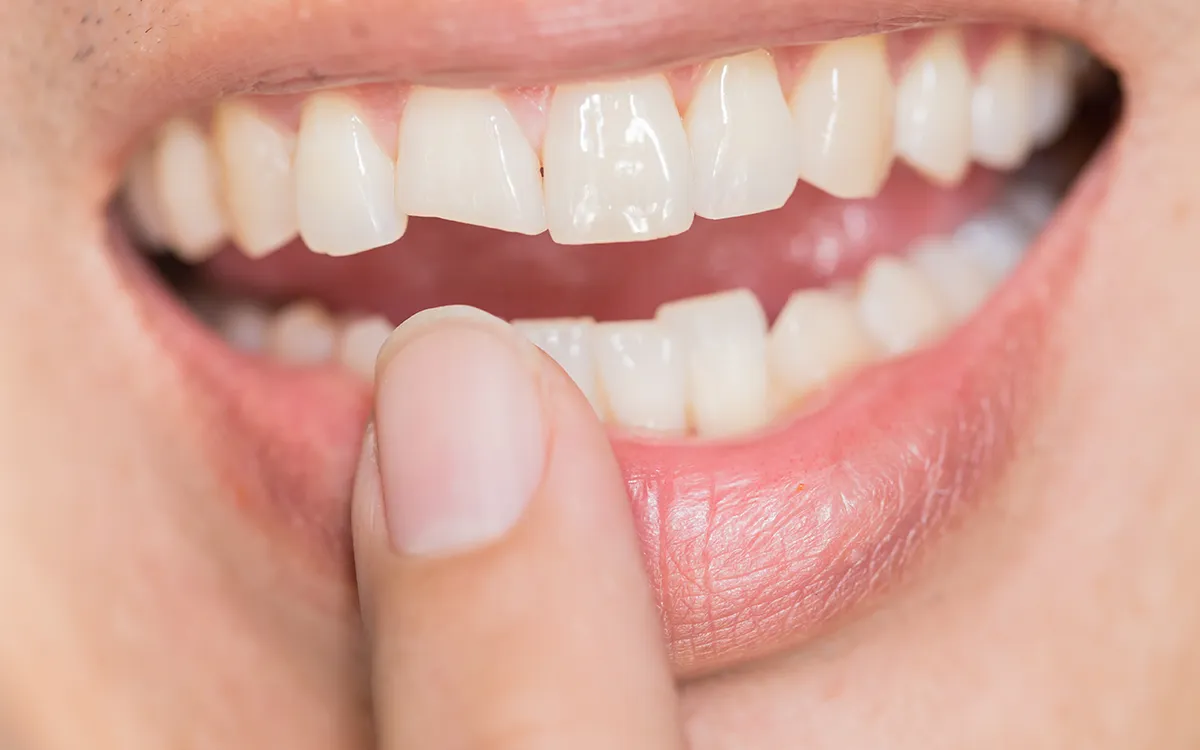
Adult teeth should never feel loose. Whether caused by trauma, infection, or advanced gum disease, a loose permanent tooth requires professional assessment as soon as possible. Early intervention may improve the chances of preserving the tooth.
Dental problems that can usually wait a few days
Many common dental issues are frustrating but generally do not require after-hours emergency treatment. A dental appointment should still be arranged, but there is usually no need to panic.
When a filling falls out, the tooth may become sensitive to temperature or pressure. Keeping the area clean and avoiding very hard or sticky foods can help protect the tooth until treatment is available.
A crown that becomes dislodged often feels alarming, particularly when it affects a visible tooth. While it should be repaired promptly, it is rarely considered a true emergency unless significant pain, trauma, or infection is present.
Small chips affecting only the enamel are typically cosmetic concerns. Although treatment may improve appearance and prevent rough edges from irritating soft tissues, these injuries usually do not require immediate emergency care.
Orthodontic issues can often wait until your regular orthodontist is available. If a wire is causing irritation, orthodontic wax can provide temporary relief until it can be adjusted professionally.
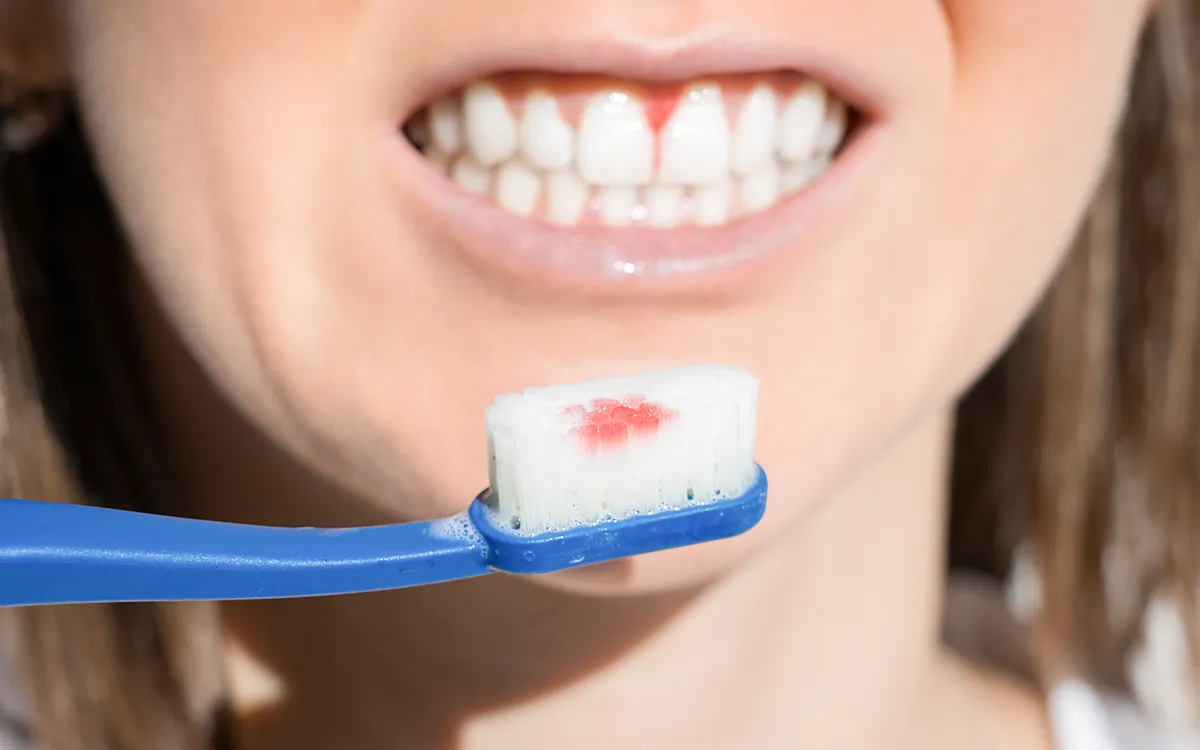
Occasional bleeding during brushing or flossing is commonly associated with gum inflammation. While this should not be ignored, it generally indicates the need for a dental examination and professional clean rather than emergency treatment.
Self-assessment checklist
When deciding whether to seek emergency dental care, ask yourself four simple questions:
Pain that is intense, worsening, or disrupting sleep should be assessed promptly.
Facial swelling can indicate a serious infection that requires urgent treatment.

Persistent bleeding that does not respond to pressure needs immediate attention.
Any major injury involving the mouth, teeth, or facial bones warrants urgent evaluation. If the answer to any of these questions is yes, contacting an emergency dentist is the safest next step.
When in doubt, call us
One of the most common mistakes people make is delaying treatment because they are unsure whether a problem is serious enough. Dentists assess situations like these every day. A quick phone call allows the dental team to ask questions, understand your symptoms, and guide you towards the most appropriate course of action. Seeking advice early can often prevent a small problem from becoming a much larger one.
Protect your smile before problems turn urgent
While not every dental emergency can be prevented, many can be reduced through proactive care. Regular dental examinations allow potential problems to be identified before they become painful or urgent. Professional cleans help maintain healthy gums, while early treatment of decay, cracks, and worn restorations can prevent unexpected complications. Good daily oral hygiene, a balanced diet, and wearing a custom mouthguard during contact sports also play an important role in protecting your teeth.
Dental emergencies can be stressful, particularly when they happen unexpectedly. Knowing when to seek immediate care and when a problem can safely wait provides valuable peace of mind. If you are ever uncertain, calling your dentist is always the safest option.
For emergency dental advice or urgent treatment, contact Showground Dental on (07) 3852 2882.
A timely assessment can often make all the difference in protecting your oral health and preserving your smile. We are here for you, so reach out today.