
When removing a tooth is the healthiest choice
It can feel unsettling to hear a tooth may need to come out. Yet in some cases, removing one compromised tooth is what prevents bigger problems for the rest of your smile. This decision is made to protect the health of the mouth as a whole.
In situations where keeping a tooth no longer supports overall health, removal is not a setback. It is a carefully considered step that protects surrounding teeth, relieves discomfort, and creates the foundation for a healthier, more stable smile.
Understanding when and why this decision is made can make the process feel far more reassuring.
The priority is always preservation
Dentists are trained to save teeth whenever viable. Treatments such as fillings, crowns, and root canal therapy are designed to restore structure and eliminate infection while maintaining the natural tooth.
Extraction is only recommended when these options are no longer predictable or beneficial. The goal is always long-term stability, not short-term fixes. When a tooth cannot be restored without compromising surrounding structures, removal becomes the more responsible choice.

Severe structural damage below the gumline
Teeth can crack or fracture in ways that are not always visible. When damage extends beneath the gumline or into the root, it becomes extremely difficult to restore the tooth securely.
In these cases, even advanced treatments may fail over time. Retaining a structurally compromised tooth can lead to repeated infections or further breakdown. Removing the tooth prevents ongoing complications and protects neighbouring teeth and bone.
Advanced infection and risk to overall health
Dental infections are not always confined to a single tooth. When bacteria reach the inner pulp and spread beyond the root, an abscess can form.
Root canal treatment is often effective in managing infection. There are instances where the infection is too extensive or the tooth structure too weak to support successful treatment. Leaving the tooth in place may allow the infection to persist or spread.
Extraction removes the source of infection. This protects not only the surrounding teeth and gums but also broader health, as untreated oral infections can place strain on the body.
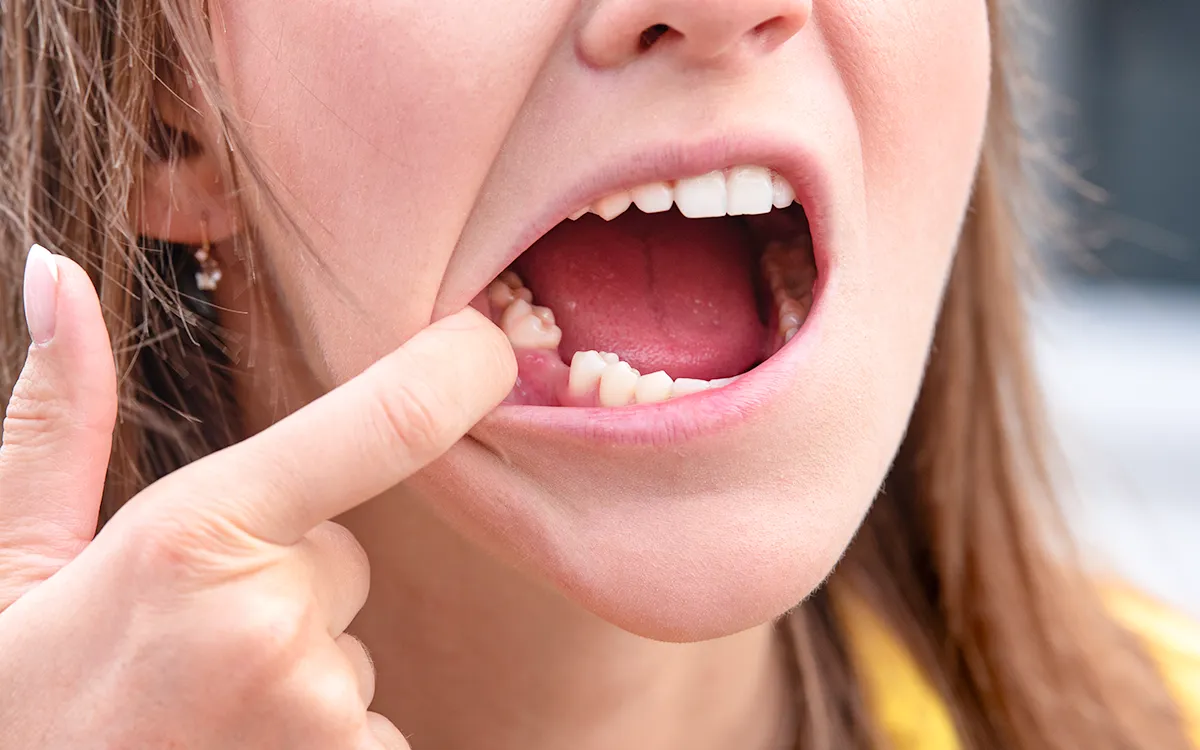
When baby teeth need a little help
Tooth removal is not limited to adult dental concerns. In children, baby teeth (primary teeth) sometimes need to be removed to support healthy development.
Most baby teeth fall out naturally. There are instances where a tooth remains in place longer than it should, blocking the proper eruption of the permanent tooth underneath. This can lead to misalignment or crowding if not addressed early.
Extraction may also be recommended if a baby tooth is severely decayed or infected. In these cases, removing the tooth helps prevent discomfort and protects the surrounding teeth and developing adult tooth.
Overcrowding and orthodontic balance
A healthy smile is not only about individual teeth. It also depends on how those teeth align and function together.
In cases of overcrowding, there may not be enough space for proper alignment. Removing a specific tooth can create the room needed for orthodontic treatment to guide the remaining teeth into a balanced position.
This approach supports long-term function, improves cleaning access, and reduces the risk of uneven wear or gum issues.

Wisdom teeth and hidden complications
Wisdom teeth often emerge later than the rest of the dentition and frequently lack the space to come through properly.
Impacted or partially erupted wisdom teeth can trap food and bacteria, increasing the risk of decay, gum infection, and pressure on adjacent teeth. Some remain hidden beneath the gums while still causing disruption beneath the surface.
Removing problematic wisdom teeth helps prevent damage to nearby teeth and reduces the likelihood of future complications that are more difficult to manage.
Gum disease and lost support
Teeth rely on healthy bone and gum tissue for stability. In advanced stages of gum disease, this support can gradually deteriorate.
When a tooth loses significant support, it may become loose and uncomfortable. Retaining it can place strain on surrounding structures and affect overall function.
Extraction in these cases helps stabilise the mouth and allows for more effective management of gum health moving forward.
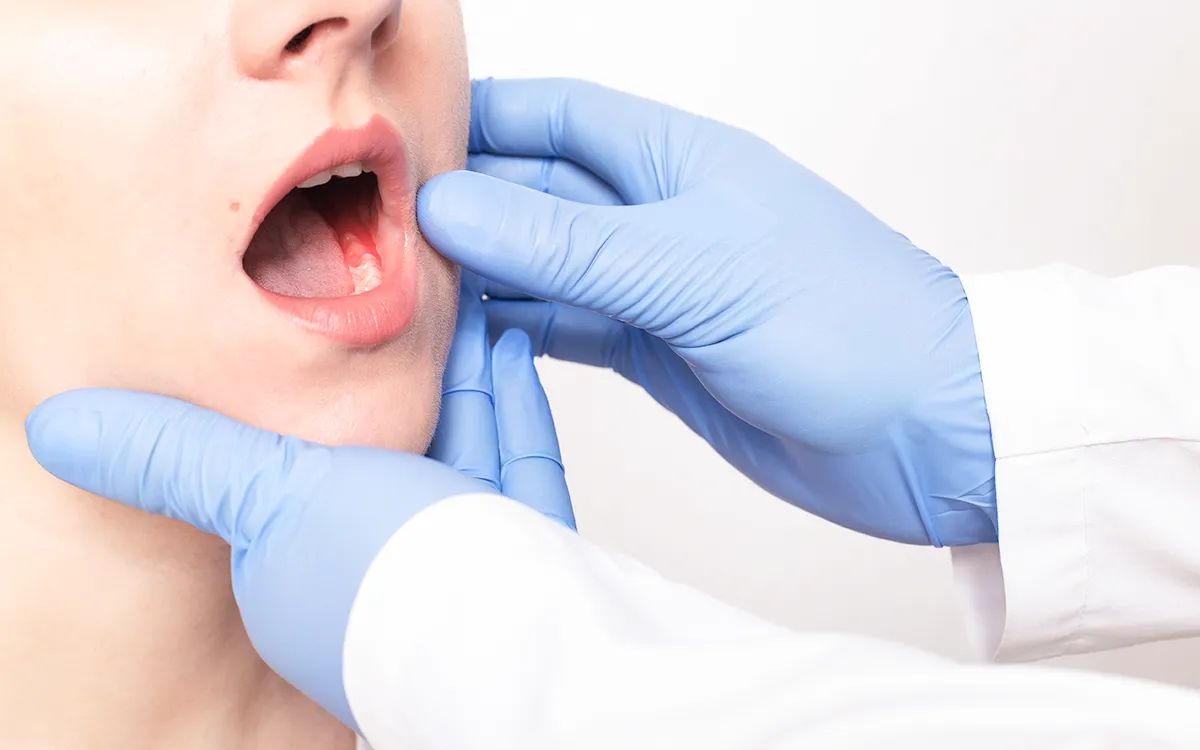
What happens after a tooth is removed
A missing tooth does not mean a permanent gap. There are reliable options available to restore the function and great looks of your smile.
Dental implants provide a long-term solution that closely mimics natural teeth. Bridges and dentures are also effective in appropriate cases. The right option depends on individual needs, bone support, and overall oral health.
Planning for replacement is an important part of the process. It ensures that the smile remains balanced and fully functional.
A thoughtful step towards long-term oral health
Tooth extraction is never recommended lightly. It is a clinical decision made with careful consideration of long-term outcomes.
When a tooth can no longer support health, removing it can relieve pain, prevent further complications, and create space for effective treatment. It is often the turning point towards a more comfortable and stable smile.
Regular dental visits play an essential role in early detection and prevention. Consistent oral hygiene, professional care, and timely treatment help reduce the likelihood of reaching this stage.
When extraction is necessary, it is not the end of the story. It is the beginning of a healthier foundation for everything that follows.