
How a crown can save your natural tooth
Don’t replace what you can preserve. Preservation sits at the centre of modern dentistry. When a tooth is weakened by decay, fracture, or the fatigue of an ageing restoration, the objective is not simply repair. It is reinforcement.
A dental crown is often misunderstood as a cosmetic solution. In reality, it functions as a precisely engineered protective structure. It redistributes biting forces, stabilises compromised enamel, and protects the deeper layers of the tooth from further damage.
Choosing a crown is a considered decision. It is about maintaining the integrity of your natural tooth, supporting long-term function, and reducing the likelihood of more complex treatment in the future.
Why natural roots matter
The natural tooth root remains unmatched. It is biologically integrated into the jawbone through the periodontal ligament, allowing for subtle movement and shock absorption during function. Artificial replacements cannot fully replicate this connection.
Retaining the root preserves the natural feedback system that helps regulate bite pressure and chewing efficiency.
A living tooth continues to stimulate the surrounding bone. This stimulation is essential for maintaining bone density and facial structure. When a tooth is lost, the absence of this stimulation can lead to gradual bone resorption over time.
Preserving the tooth with a crown supports both oral health and facial stability.
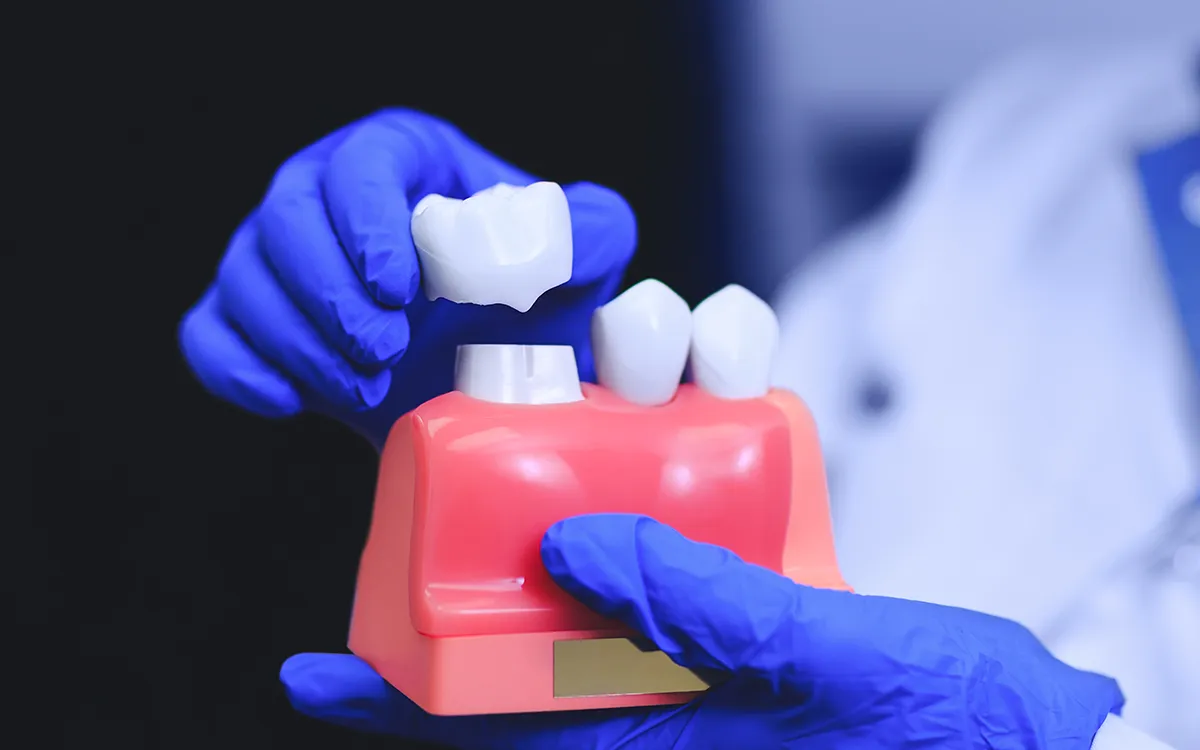
A filling restores a portion of the tooth. A crown protects the entire structure. Covering the tooth circumferentially, it acts as a brace that holds weakened cusps together and prevents cracks from propagating under load.
When a filling won’t work
Small cracks become big problems. Large or ageing fillings, particularly older amalgam restorations, can place outward pressure on the remaining tooth structure. Over time, this can lead to microfractures that are often invisible until the tooth fails.
A crown redistributes these forces externally, reducing the risk of sudden fracture.
After a root canal, protection isn’t optional. The treated tooth becomes more brittle due to loss of internal moisture and structural changes. Without reinforcement, it is more susceptible to fracture under normal chewing forces.
A crown provides essential protection, restoring strength and function.
Teeth that have been worn down by grinding or acid erosion lose their natural height and contour. This affects both appearance and bite alignment.
A crown restores proper dimensions, allowing for balanced occlusion and improved function.
Strength and beauty in modern crowns
Modern crowns are typically crafted from high-performance ceramics such as zirconia or lithium disilicate (commonly known as E-max). These materials offer both strength and aesthetics, closely mimicking the translucency of natural enamel.
They eliminate the need for metal substructures, avoiding the visible dark margins associated with older crown designs.
Contemporary materials are engineered to withstand significant biting forces while maintaining a natural appearance. This combination allows crowns to function reliably in both front and back teeth.
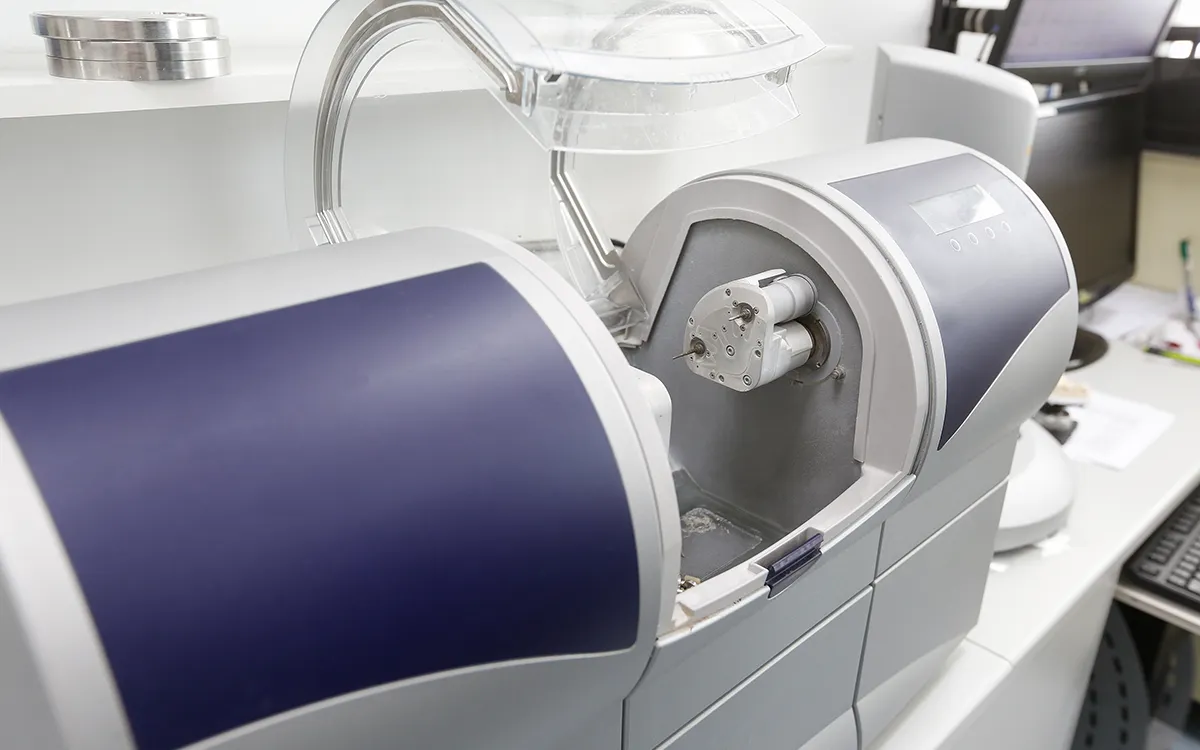
Digital impressions and CAD/CAM technology have transformed crown fabrication. These systems enable highly accurate designs and a precise fit.
A well-fitted crown creates a tight seal at the margins, reducing the risk of bacterial infiltration and future decay.
Lasting health rewards
A properly designed crown restores occlusion, ensuring that forces are evenly distributed across the teeth. This reduces strain on individual teeth and minimises the risk of jaw discomfort or dysfunction.
The full-coverage design of a crown offers superior protection compared to large fillings. Sealing the tooth, it limits the pathways through which bacteria can re-enter.
Early intervention often removes the need for more complex procedures. Preserving a tooth with a crown can avoid the need for extraction, bone grafting, or implant placement. This supports better health outcomes while reducing long-term costs.
From both a biological and financial perspective, a dental crown can be considered a smart investment.

Caring for your restoration
The junction between the crown and the natural tooth requires careful hygiene. Daily brushing and flossing are essential to prevent plaque accumulation in this area.
Attention to detail in home care significantly extends the lifespan of the restoration.
Regular dental visits allow for early detection of any changes around the crown. Professional cleaning helps maintain gum health and ensures the integrity of the seal over time.
Consistent monitoring supports long-term success.
Commit to lasting health
A dental crown keeps your natural tooth in play. It allows the tooth to keep functioning, supported by modern materials and precise design.
By choosing to reinforce rather than replace, you preserve what is biologically valuable. The natural root remains active, the surrounding bone is maintained, and the tooth continues to function as part of a balanced system.
Long-term oral health is shaped by timely decisions and consistent care. Regular dental assessments, combined with diligent daily hygiene, provide the foundation for preserving natural teeth wherever possible.
A well-made crown, supported by good habits and professional guidance, allows a compromised tooth to remain strong, functional, and integrated for years to come.