Why me, why now? Dental emergencies always seem to pick the worst possible timing. One minute everything’s fine; the next, there’s pain, swelling, or a tooth that suddenly feels very wrong. It’s uncomfortable, unsettling, and can quickly send your stress levels through the roof, especially when you’re not sure if it’s urgent or if it can wait.
The great news is you don’t have to wait helplessly. Many dental emergencies can be managed safely in the short term with the right first steps, helping ease pain and prevent things from getting worse until you can see your dentist. Knowing what counts as an emergency, what you can do straight away, and when to seek urgent care can make a real difference, not just to your comfort now, but to your long-term oral health too.
Let’s walk through it calmly and practically, so you know exactly what to do if tooth trouble catches you off guard.
What is a dental emergency?
Any problem affecting your teeth, gums, or mouth that requires prompt attention to relieve pain, control bleeding, treat infection, or prevent further damage qualifies as a dental emergency. These issues often come on suddenly and can worsen quickly if left untreated.
Not every dental problem is an emergency—but some shouldn’t wait. Knowing which is which helps you act quickly, calmly, and correctly. Certain problems need immediate care, while others are urgent and can be managed safely for a short time with the right first aid until you see your dentist. If you’re unsure about how serious a situation is, don’t guess—contact your dentist for advice or to book an appointment.
What counts as a dental emergency?
Dental emergencies can range from mildly uncomfortable to seriously urgent. While every situation is different, the following problems commonly require prompt dental attention:
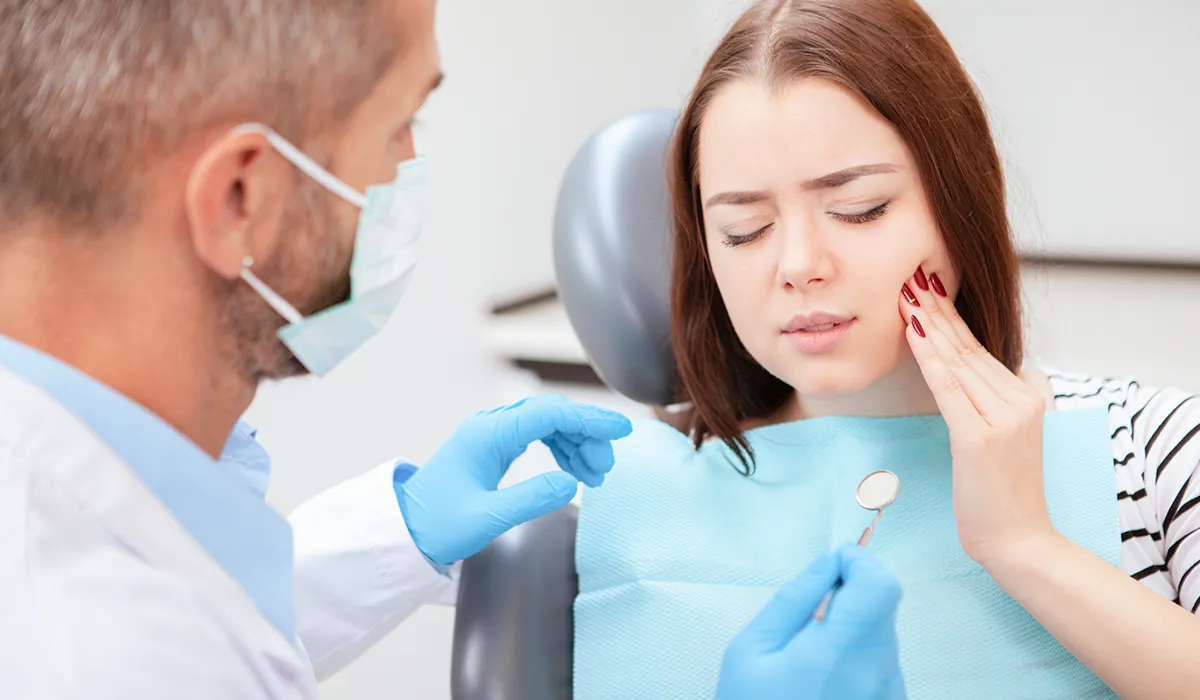
Ongoing or intense tooth pain, especially pain that wakes you at night or worsens when biting or chewing, may indicate deep decay, infection, or nerve involvement. This type of pain rarely settles on its own and should be assessed by a dentist.
Swelling can be a sign of infection or an abscess. If it is painful, spreading, or affecting your ability to open your mouth, swallow, or breathe, it requires urgent care, as dental infections can spread beyond the mouth
A tooth that has been completely knocked out due to an accident or injury is a true dental emergency. Acting quickly and correctly can sometimes allow the tooth to be saved.
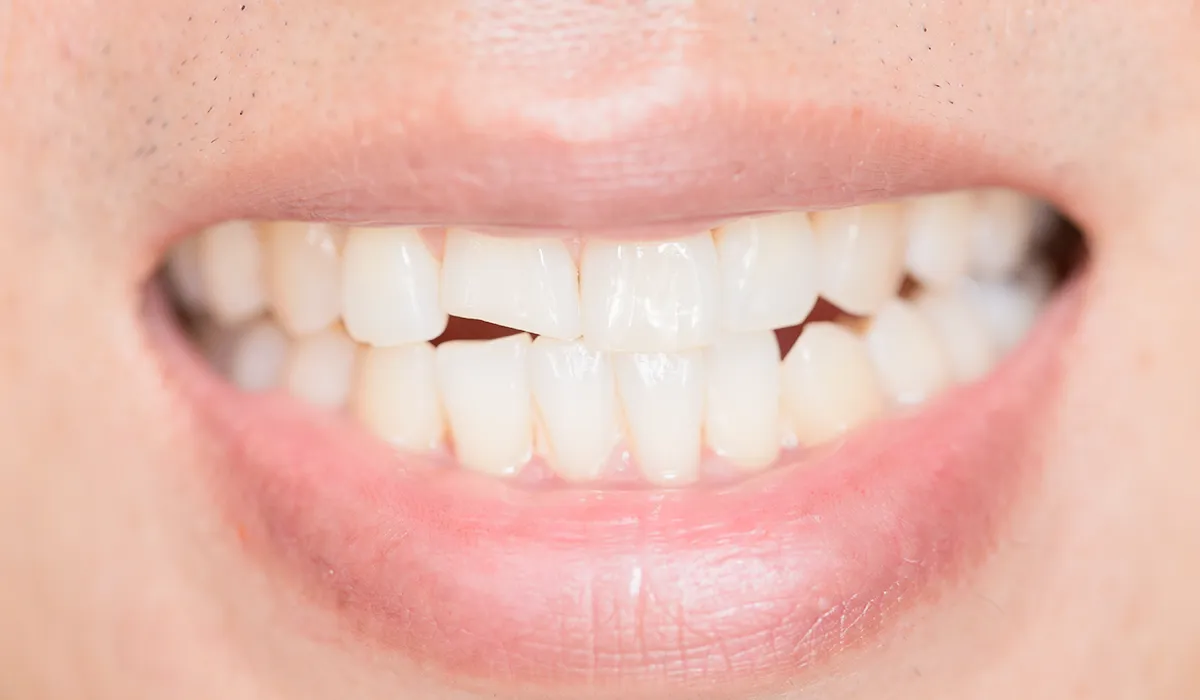
Not every damaged tooth needs emergency treatment, but pain, sharp edges, or visible inner tooth structure are signs that prompt care is important to prevent further damage or infection.
Continuous bleeding following an injury, dental procedure, or trauma should not be ignored and may require urgent dental or medical attention.
An abscess is a pocket of infection that often appears as a painful swelling or pimple-like bump on the gum. It may also cause fever, facial swelling, or a bad taste in the mouth. Abscesses require professional treatment and should never be left untreated.
While a lost filling or crown may not always cause pain straight away, it can leave the tooth exposed, sensitive, and at risk of further damage. Seeing your dentist promptly helps protect the tooth and prevent complications.
Never ignore these symptoms
Some dental problems give clear warning signs that something isn’t right. If you experience any of the following, it’s best to contact your dentist as soon as possible:
- Severe, sharp, or throbbing tooth pain
- Swelling of the gums, face, or jaw
- Fever accompanying dental pain or swelling
- Pus, discharge, or a persistent bad taste in the mouth
- Difficulty opening your mouth, swallowing, or breathing
- A tooth that feels loose, has shifted, or no longer lines up properly
- Trauma or injury to the teeth, mouth, or jaw
Trust your instincts. If the pain feels unusual, is getting worse, or simply doesn’t feel right, it’s always safer to have it checked sooner rather than later. If any of these symptoms are severe or rapidly worsening—especially swelling that affects breathing or swallowing—go straight to the nearest hospital or emergency department.

First aid for common dental emergencies
Waiting and doing nothing can feel disempowering, and it’s not your best option. The following short-term first aid steps can help manage pain, minimise damage, and support healing until you’re able to see your dentist.
- Rinse your mouth gently with warm salt water to soothe the area and keep it clean.
- Carefully floss to remove any food trapped between teeth.
- Take appropriate pain relief if needed, following the instructions on the label.
- Avoid placing aspirin or painkillers directly on the gum or tooth, as this can irritate the tissue.
- Apply a cold compress to the outside of the face for 10 to 15 minutes at a time.
- Avoid heat, which can increase swelling and discomfort.
- Rest with your head elevated to help minimise pressure and inflammation.
- Handle the tooth by the crown only, never the root.
- If the tooth is dirty, gently rinse it with milk or saline. Do not scrub or remove attached tissue.
- If possible, place the tooth back into the socket and hold it in place.
- If that’s not possible, store it in milk or saliva and see a dentist immediately. Time is critical.
- Rinse your mouth with warm water to clean the area.
- Save any broken pieces if you can.
- Apply a cold compress to reduce swelling and discomfort.
- Avoid chewing on the affected side until you see your dentist.
- Keep the exposed area clean and avoid chewing on that side.
- Temporary dental cement from a pharmacy may offer short-term protection.
- Avoid hard, sticky, or chewy foods until the tooth is properly restored.
Why seeing your dentist matters
Even if the pain eases, or the problem feels manageable, dental emergencies rarely resolve on their own. Issues such as infection, decay, or hidden fractures can continue to progress beneath the surface, often leading to more serious problems and more complex treatment if left unchecked.
Seeing your dentist early allows them to identify and treat the underlying cause before things worsen. Prompt care can reduce pain, limit damage, and improve the chances of preserving your natural teeth, while helping you return to comfort and confidence sooner.
Prompt dental care allows your dentist to:
- Identify the underlying cause, not just the symptoms
- Relieve pain and stabilise the affected tooth or area
- Stop infection from spreading to surrounding tissues
- Preserve natural teeth wherever possible
- Restore function, comfort, and appearance safely
Earlier treatment often means simpler, quicker, and more comfortable care, helping you get back to normal with less stress and fewer long-term complications.
Common treatments for dental emergencies
The right treatment will depend on the cause and severity of the problem. After a thorough assessment, your dentist may recommend one or more of the following:
- Immediate pain relief and management of infection
- Temporary or permanent fillings to protect damaged teeth
- Root canal treatment to treat infection within the tooth and relieve pain
- Repair or replacement of crowns or other restorations
- Drainage and treatment of dental abscesses
- Splinting or repositioning teeth that have been injured or knocked out of place
- Tooth extraction if a tooth is too damaged or infected to be saved
Wherever possible, your dentist’s priority is to preserve your natural teeth and restore comfort, function, and long-term oral health.

How to reduce your risk of dental emergencies
While accidents can happen, many dental emergencies are preventable with consistent care and a few smart habits. Looking after your teeth day to day goes a long way in avoiding unexpected pain and urgent dental visits.
Everyday prevention tips
- Brush twice a day with fluoride toothpaste to strengthen enamel and protect against decay
- Floss or clean between your teeth daily to remove plaque from hard-to-reach areas
- Avoid chewing ice, hard lollies, pens, or other non-food items that can crack or damage teeth
- Wear a custom or professionally fitted mouthguard for contact sports or high-impact activities
- Don’t ignore small issues like sensitivity, chips, or minor pain, as they can quickly worsen if left untreated
Routine check-ups allow your dentist to detect early signs of decay, cracks, or gum disease before they turn into painful or costly emergencies. Regular professional care helps keep small problems small and your smile healthy long-term.
Don’t guess—get clear advice
If you’re experiencing unexpected dental pain or changes and you’re not quite sure what to do, don’t tough it out or hope it’ll sort itself. A quick call to your dentist can give you clarity, reassurance, and the right next steps, often saving you a lot of pain and worry down the track.
Dental emergencies are never convenient, but they don’t have to escalate. A calm response, the right first aid, and timely professional care can make all the difference. Just as importantly, looking after your teeth every day and keeping up with regular dental visits isn’t only about a nice smile. It’s your best line of defence against those unexpected dental dramas and the peace of mind that comes with knowing your oral health is in good hands.