
Case Study
Severe Crowding Treated
with Invisalign
Straight teeth, better function, and easier oral care achieved within 16 months.
Patient presentation
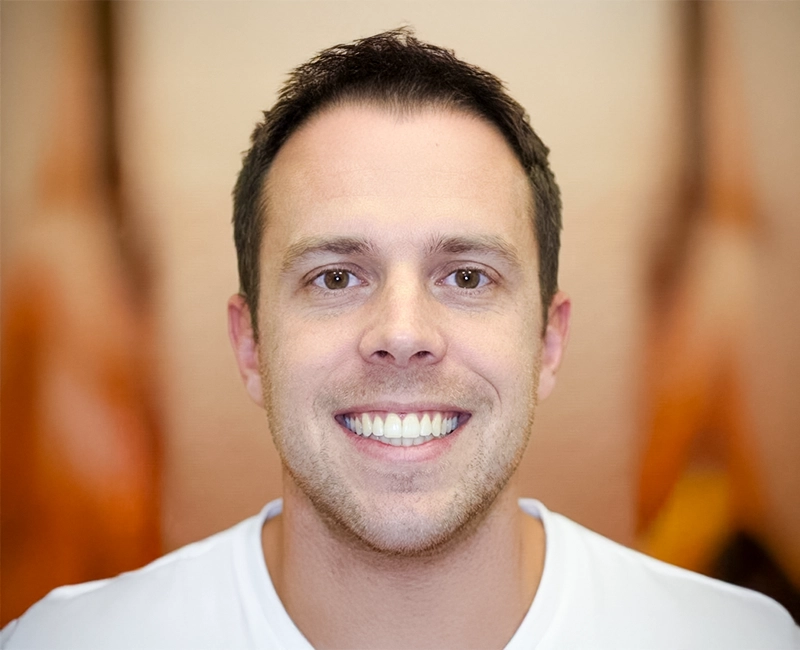
Mr J came to Showground Dental seeking a straighter, more functional smile. Crowded teeth were his main concern, as they affected the look of his smile and made oral hygiene difficult.
Clinical findings:
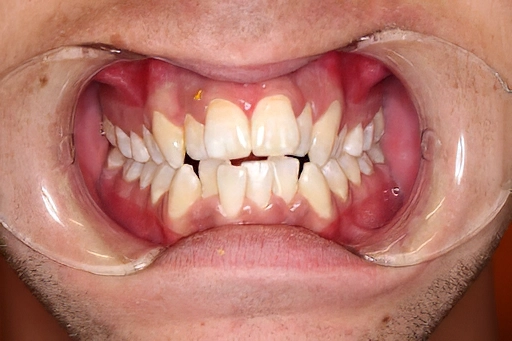
Upper arch: The central incisors and canines overlapped the lateral incisors on both sides.
Lower arch: The front teeth were crowded and overlapping, creating an uneven dental arch.
Bite: The upper and lower teeth were misaligned, resulting in an irregular bite, which impacted both function and appearance.
Mr J hoped that treatment could reduce the difficulty he experienced cleaning his teeth due to overlapping, and help him achieve a more confident, well-aligned smile.
Treatment planning
A thorough assessment was conducted to ensure a safe and effective treatment plan. This included:
- Comprehensive oral and bite examination
- Digital impressions using advanced intraoral scanning for precise 3D modelling
- Radiographs to evaluate root positions and bone health
- Functional analysis to assess occlusion and jaw relationships
After careful consideration, Invisalign clear aligners were recommended as the preferred treatment. Invisalign offered Mr J a non-invasive, discreet, and removable solution to correct severe crowding.
Treatment planning
- Align the upper central incisors and canines with the lateral incisors.
- Correct crowding in the lower front teeth for a balanced arch.
- Achieve a functional bite for improved chewing and speech.
- Enhance aesthetic appearance while maintaining oral hygiene.
Treatment process
Mr J’s straighter smile was achieved by following a structured, step-by-step approach using the latest digital orthodontic technology.
1. Consultation and examination
The treatment began with a comprehensive consultation, including a full dental and bite assessment. This allowed the team at Showground Dental to evaluate Mr J’s crowding, misalignment, and overall oral health. A personalised treatment plan was then developed to meet both functional and aesthetic goals.
2. Intraoral scanning
Digital impressions of Mr J’s teeth were taken using a high-definition intraoral scanner. This created a precise 3D model of his upper and lower arches, replacing traditional messy dental molds. The scan captured every detail of his teeth and bite, forming the foundation for his customised Invisalign treatment.
3. Virtual orthodontic planning with ClinCheck
Using the 3D model, the Showground Dental team planned Mr J’s tooth movements virtually through Invisalign’s ClinCheck software. This allowed the team to map out each stage of the alignment process, predict treatment outcomes, and visualise the final smile before starting.
4. Custom aligners fabrication
Based on the ClinCheck plan, a series of clear, removable Invisalign aligners were manufactured. Each aligner was designed to gradually move the teeth into their ideal positions. Mr J wore each aligner daily and switched to the next in the series every 1–2 weeks.
5. Initial alignment
The first set of aligners focused on resolving severe crowding, creating space, and reducing overlapping of the upper and lower front teeth. This stage set the foundation for a balanced and functional dental arch.
6. Bite optimisation
Once alignment progressed, subsequent aligners were used to adjust the bite and improve the interaction between upper and lower teeth. This ensured proper occlusion for chewing, speech, and long-term dental health.
7. Refinement stage
After the main alignment was completed, the refinement stage addressed minor corrections. This included fine-tuning tooth positions, aligning the midline, and perfecting overall aesthetics.
8. Monitoring and check-ups
Mr J visited Showground Dental every 6–8 weeks to monitor progress, assess aligner fit, and make any necessary adjustments. These appointments also provided ongoing guidance on oral hygiene and aligner care to maintain optimal results.
9. Retention
After completing the active Invisalign treatment, Mr J was provided with custom-made retainers. Retainers are essential to maintain the new tooth positions and prevent relapse, ensuring his smile stays straight and healthy for years to come.
Results
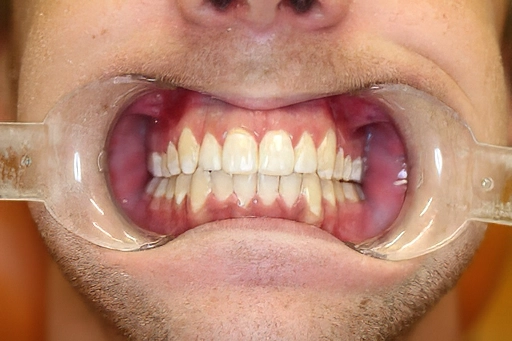
After 16 months of treatment, Mr J achieved fully aligned teeth with improved function and oral health.
Key outcomes:
Upper teeth: The central incisors, canines, and lateral incisors are correctly aligned with even spacing, creating a well-formed upper arch that supports proper oral function.
Lower teeth: Crowding of the lower front teeth has been fully resolved, resulting in a smooth and balanced dental arch.
Bite: Occlusion has been significantly improved, enhancing chewing efficiency, speech, and overall dental function.
Oral hygiene: Properly aligned teeth have made it easier for Mr J to maintain effective oral hygiene, reducing the risk of plaque accumulation, cavities, and gum disease.
This case demonstrates that Invisalign can effectively correct severe crowding, providing long-term benefits for oral health, bite function, and hygiene maintenance.
Why Invisalign worked here
This case demonstrates that even severe crowding can be effectively managed with Invisalign. With thorough planning, customised aligners, and regular monitoring, patients like Mr J can benefit from:
- Properly aligned teeth that support optimal oral function
- Improved bite and occlusion, enhancing chewing and speech
- Easier oral hygiene maintenance, reducing the risk of plaque, cavities, and gum disease
- A non-invasive, removable, and discreet treatment option that fits seamlessly into daily life
At Showground Dental, we combine advanced digital technology with personalised care to deliver treatment outcomes that prioritise oral health, function, and hygiene, helping patients maintain long-term dental wellbeing. Every smile is different, and treatment plans are always tailored to individual needs, oral health, and clinical suitability. A consultation is essential to determine the most appropriate treatment for each patient.