
Can clear aligners do the work of traditional braces?
Almost invisible doesn’t mean orthodontically lightweight. Today’s clear aligners can achieve tooth movements once associated almost exclusively with traditional braces, giving more patients the freedom to straighten their teeth in a way that suits their smile and their lifestyle.
For many people, that makes clear aligners an obvious option to consider. Their transparent appearance, comfortable fit, and convenience make them an appealing alternative to traditional braces. Yet one important question remains: can they achieve the same results?
The answer is yes—for many patients. However, the most effective treatment always depends on the complexity of the tooth movement required, the health of the teeth and gums, and how closely the treatment plan is followed. Understanding the strengths of both options makes it easier to choose the approach that delivers the best long-term outcome.
How orthodontic treatment moves teeth
Although braces and clear aligners look very different, they share the same goal. Both apply gentle, controlled pressure that encourages teeth to move gradually through the surrounding bone. As pressure is applied, the bone naturally remodels, allowing teeth to settle into healthier positions over time.
The difference lies in how that pressure is delivered.
Traditional braces
Traditional braces use brackets bonded to each tooth and connected by an orthodontic wire. During regular adjustment appointments, the wire is changed or tightened to continue guiding the teeth into their planned positions.
Since braces remain attached throughout treatment, they work continuously without relying on patient compliance. Modern braces are also considerably smaller and more comfortable than many people remember.
Clear aligners
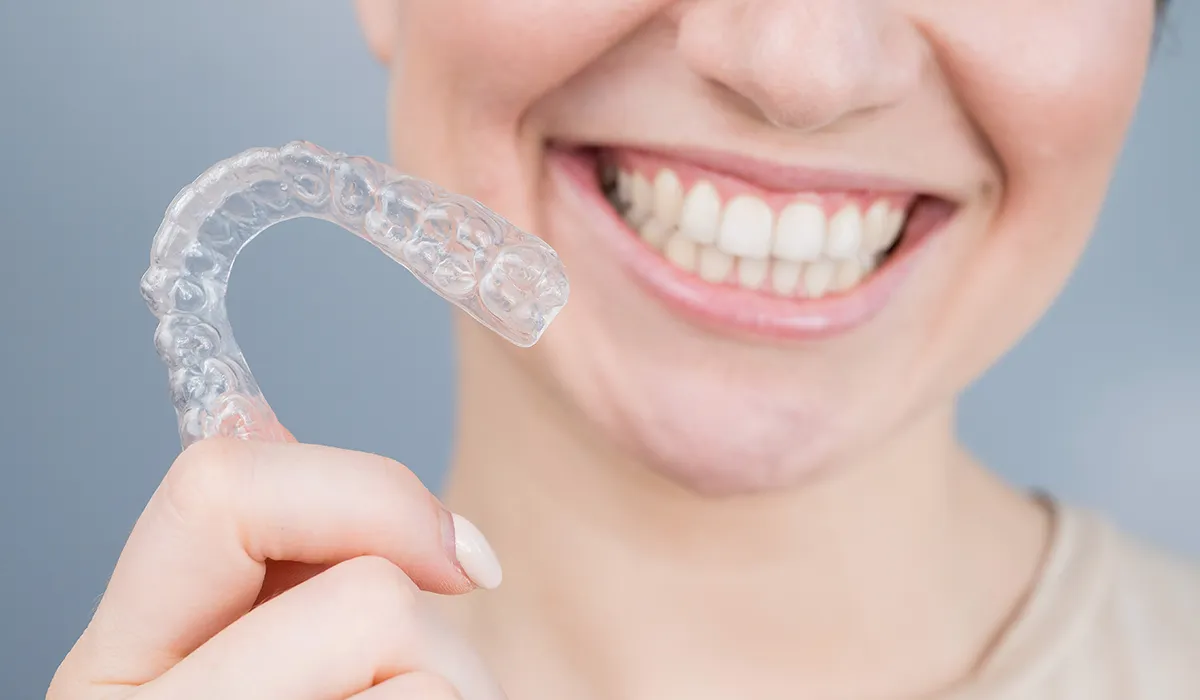
Clear aligners use a series of custom-made transparent trays that fit closely over the teeth. Each aligner is slightly different from the previous one, gradually moving the teeth according to a carefully planned digital treatment sequence.
Patients typically wear each set of aligners for one to two weeks before progressing to the next. Since the trays are removable, they can be taken out for meals, brushing, flossing, and special occasions before being replaced.
Are clear aligners as effective as braces?
For many orthodontic cases, the answer is yes.
Research has shown that clear aligners can successfully treat many mild to moderate orthodontic concerns while achieving outcomes comparable to traditional braces when treatment is carefully planned and patients wear their aligners as instructed.
However, no single orthodontic system is the best solution for every smile. Certain complex movements remain more predictable with fixed braces, particularly when significant changes to the bite or jaw relationship are required.
Rather than asking which treatment is better overall, the more useful question is which treatment is best suited to your individual orthodontic needs.
When clear aligners perform exceptionally well
Clear aligners have evolved significantly over the past decade. Advances in digital treatment planning, attachment technology, and material design have expanded the range of cases they can successfully manage.
They are particularly effective for:
Mild to moderate crowding
When teeth overlap slightly or have insufficient space, aligners can gradually create room and improve alignment with excellent precision.
Small gaps between teeth
Spacing concerns often respond very well to aligner treatment. Closing gaps not only improves appearance but may also reduce areas where food becomes trapped.
Cosmetic smile improvements
Many adults seek orthodontic treatment to improve the appearance of their smile without drawing attention during treatment. Clear aligners offer a discreet solution that is barely noticeable in everyday life.
Teenagers and adults
Patients who participate in work meetings, public-facing roles, or social events often appreciate the confidence that comes with nearly invisible orthodontic treatment.
Better oral hygiene
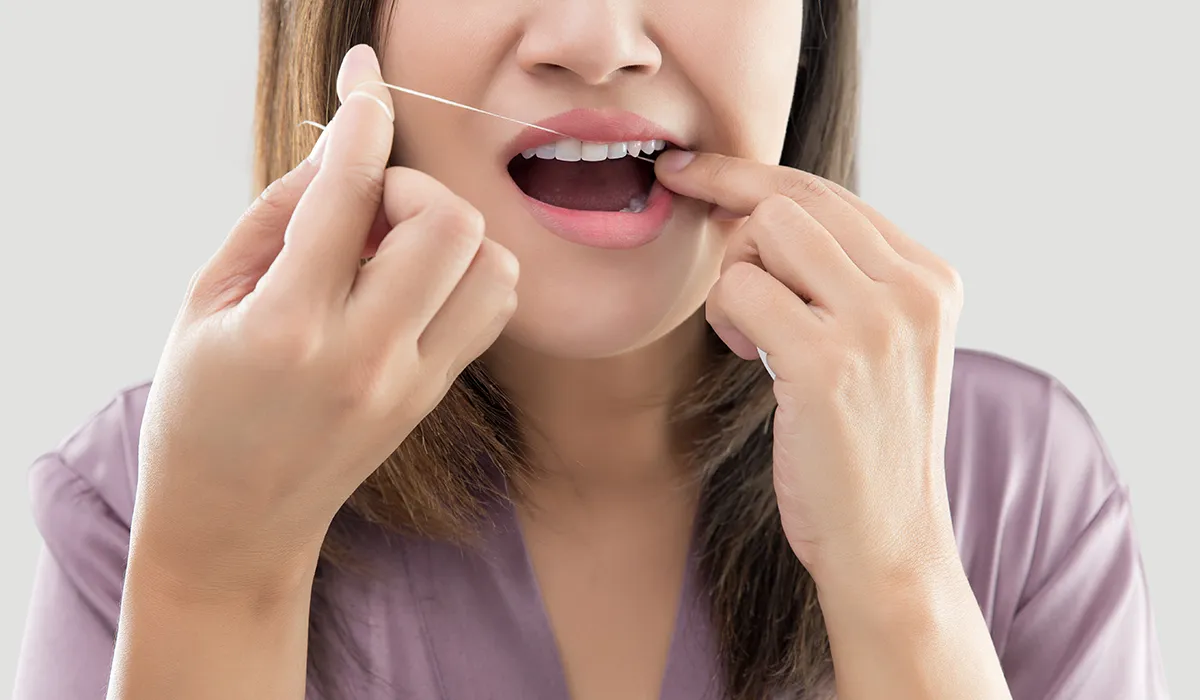
Since aligners are removed before brushing and flossing, maintaining good oral hygiene is generally easier than with fixed braces. This can reduce plaque accumulation and make routine dental cleaning more straightforward.
No food restrictions
Hard, chewy, or sticky foods can damage brackets and wires. Clear aligners eliminate this concern because they are removed during meals, allowing patients to continue enjoying their normal diet.
When traditional braces may still be the better choice
Despite the impressive capabilities of clear aligners, braces continue to play an important role in modern orthodontics.
Some tooth movements require greater control than removable aligners can consistently provide.
Complex bite problems
Severe overbites, underbites, crossbites, and open bites often involve multiple teeth moving in different directions at the same time. Fixed braces can provide continuous force and greater control for these complex corrections.
Significant tooth rotation
Teeth that are severely twisted or rotated may respond more predictably to braces, particularly when larger movements are required.
Vertical tooth movement
Moving teeth up or down within the jaw can be technically challenging. In many situations, braces remain the more reliable option for achieving these movements.
More complicated orthodontic cases
Some patients require extraction-based orthodontics, significant space closure, or treatment involving jaw growth and bite correction. Depending on the diagnosis, braces may provide the most efficient and predictable results.
An experienced dentist or orthodontist will assess these factors before recommending the most appropriate treatment.
The biggest difference is often the patient
The success of orthodontic treatment depends on more than the appliances themselves.
Braces work around the clock
Since braces are fixed to the teeth, they continue working every hour of every day. Patients cannot remove them, making treatment less dependent on daily habits.
Clear aligners require commitment
Aligners generally need to be worn for around 20 to 22 hours each day. They should only be removed for eating, drinking anything other than water, and oral hygiene.
Wearing aligners inconsistently slows tooth movement and may prevent future trays from fitting correctly. This can extend treatment time or require additional aligners before progress can continue.
For motivated patients, this usually becomes part of the daily routine quite quickly. However, those who frequently forget to wear their aligners may achieve better results with fixed braces.
Comfort during treatment
Both treatment options involve periods of mild discomfort as teeth begin moving, particularly after adjustments or changing to a new aligner.
Many patients describe clear aligners as slightly more comfortable because they do not have brackets or wires that can rub against the cheeks and lips. Modern braces, however, have become significantly more comfortable than older designs, and any irritation is usually temporary.
Regardless of the appliance used, most patients adapt within a few days after each adjustment.

Which treatment is faster?
There is no universal answer.
Treatment length depends on factors such as:
- The complexity of the orthodontic problem
- The amount of tooth movement required
- Age and individual biology
- Patient compliance
- Regular review appointments
For straightforward cases, clear aligners and braces often have similar treatment times. More complex cases may still be completed more efficiently with traditional braces.
Rather than focusing solely on speed, the priority should always be achieving a healthy, stable result that lasts.
Cost is only one part of the decision
Many people assume one treatment is always more expensive than the other. In reality, costs vary depending on the complexity of treatment, its duration, and the technology involved.
The cheapest option is not necessarily the best value if it cannot effectively address your orthodontic needs.
A personalised assessment provides the clearest understanding of which treatment is appropriate and what investment it requires.
There’s no best treatment—only the best treatment for you
Clear aligners and traditional braces are both proven ways to achieve excellent results. The question isn’t which treatment wins. It’s which one is right for you.
Your smile is unique, and your treatment should be too. Whether that means the discretion of clear aligners or the versatility of traditional braces, the right approach is the one that gives your teeth what they need while delivering the result you want.
Whichever path is right for you, there’s plenty to smile about beyond the result you see in the mirror. Properly aligned teeth are often easier to clean, may function more efficiently, and can support better oral health for years to come.
When it comes to clear aligners versus traditional braces, there’s no winning side—only the right choice for your smile. Talk to your dentist about your options and discover the difference the right treatment can make.