

Why oral pathogens deserve attention?
When we think of biodiversity, our mouths don’t usually come to mind. But truth be told, the human mouth is home to an entire bustling ecosystem rich with bacteria and some fungi. Some are helpful, others are basically neutral, and a few can wreak havoc on your oral health and overall wellbeing.
These troublemakers are called oral pathogens, and they’re bad news. Left to run wild, these microbes can trigger gum disease, tooth loss, and even contribute to issues far beyond your mouth. Research increasingly suggests oral pathogens and the oral health conditions they cause can increase risk of heart disease, diabetes complications, respiratory problems, and even Alzheimer’s.
Let’s walk you through what they are, the main culprits, how they make mischief, and how your dentist can help you keep them in line.
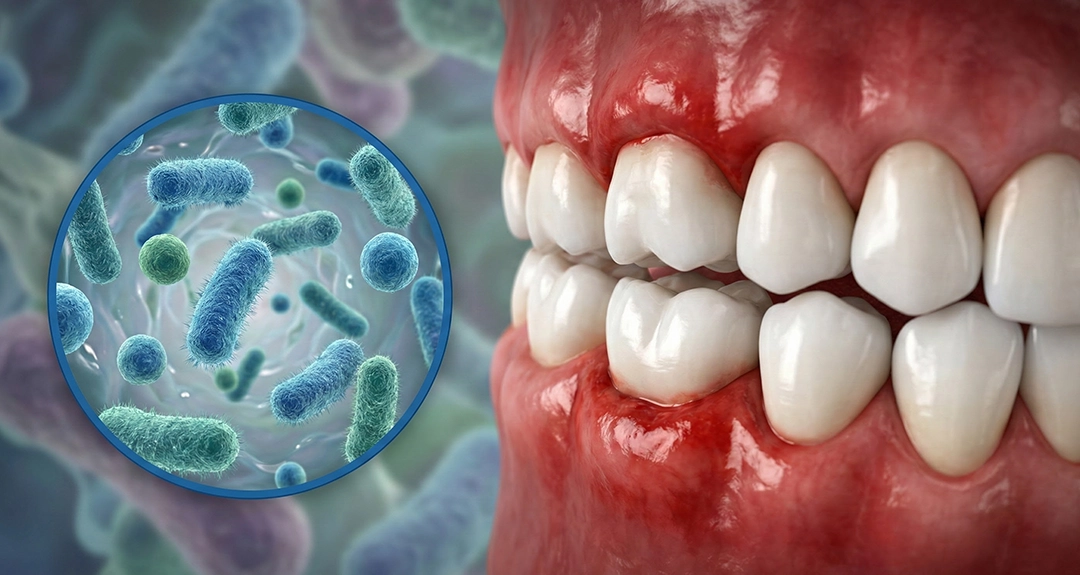
What exactly are oral pathogens?
Your mouth naturally contains over 700 different species of bacteria. Most are harmless. Some even help protect you. Oral pathogens are the bacteria (and a few fungi) that aren’t your friends.
They thrive in plaque and inflamed gum pockets, feeding on leftover food and releasing toxins that damage tissue.
They’re often linked to:
- Tooth decay
- Gum disease (gingivitis and periodontitis)
- Chronic bad breath
- Infections that spread beyond the mouth
When the balance of microbes shifts toward these harmful types, things can get pretty ugly.
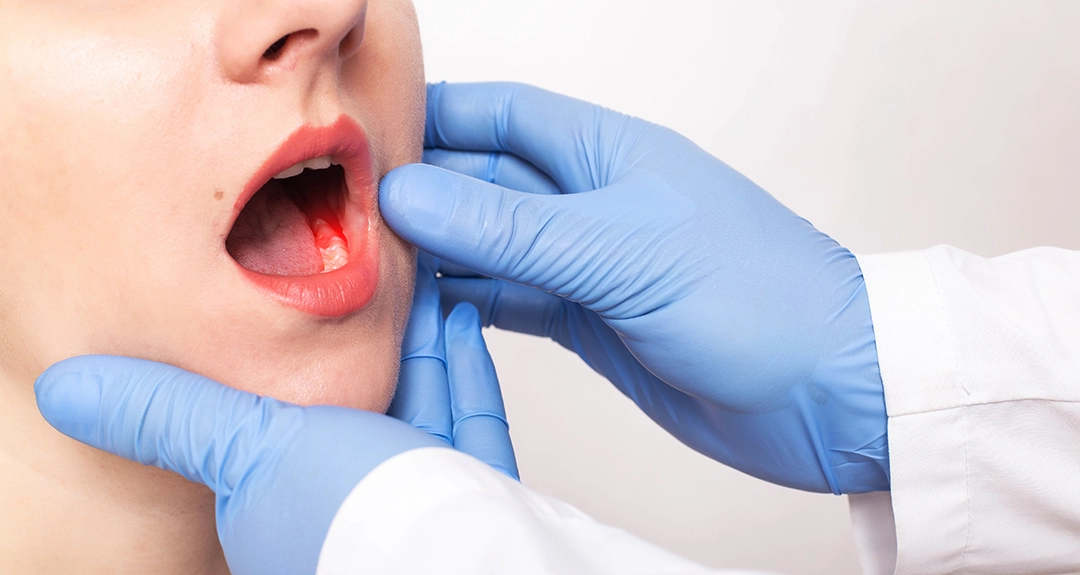
Meet the 14 main oral pathogens
Scientists often refer to the “red complex” and “orange complex” bacteria — the ones most associated with severe gum disease. Here are the 14 baddies you should know:
1. Porphyromonas gingivalis (P. gingivalis)
This nasty triggers aggressive gum disease and suppresses your immune system’s alarms.
2. Tannerella forsythia (T. forsythia)
This sneaky tissue destroyer that thrives in deep gum pockets.
3. Treponema denticola (T. denticola)
lSpiral-shaped, this bacterium burrows into gum tissue like a tiny drill.
4. Aggregatibacter actinomycetemcomitans (A.a.)
Common in aggressive periodontitis, this one isparticularly destructive in younger patients.
6. Fusobacterium nucleatum (F. nucleatum)
This one looks gum disease to systemic inflammation, and also helps other bacteria form colonies.
6. Prevotella intermedia (P. intermedia)
Pregnant women often this pathogen, which flourishes with hormonal changes.
7. Campylobacter rectus (C. rectus)
Severe attachment loss and bone destruction are associated with this one.
8. Eikenella corrodens (E. corrodens)
This bacteria produces toxins that damage gum tissue and bone.
9. Peptostreptococcus micros (P. micros)
Acute infections and abscess formation are part of the damage this pathogen causes.
10. Streptococcus mutans (S. mutans)
This classic decay-causing bacteria thrives on sugar.
11. This classic decay-causing bacteria thrives on sugar.
Not bacteria, this fungusmayovergrow andcontribute to oral thrush and worsen gum conditions.
12. Parvimonas micra (P. micra)
Known to be involved in periodontal infections and abscesses, this hidden troublemaker is found in deep gum pockets.
13. Eubacterium nodatum (E. nodatum)
Severe periodontitis and inflammatory gum disease are associated with this pathogen.
14. Capnocytophaga species (C. species)
Often found in plaque and gum infections, thiscan contribute to systemic inflammation in certain cases.
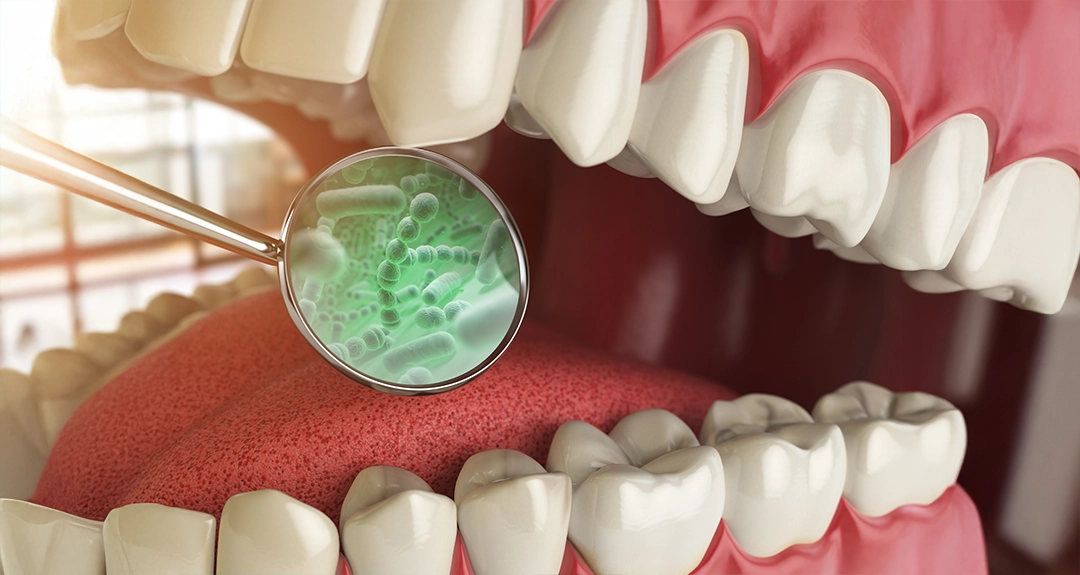
How oral pathogens cause gum disease
When harmful microbes settle under the gumline and multiply, they release toxins that irritate the gums. This leads to:
Gingivitis
- Red, swollen, bleeding gums
- Easily reversible with good hygiene
Periodontitis
- Irreversible gum and bone damage
- Gum pockets form
- Teeth loosen over time
Advanced periodontitis
- Significant bone loss
- Pain, abscesses
- Risk of tooth loss
This is something you can’t expect to easily floss or brush away It’s a chronic infection. Like any infection, your immune system responds by firing inflammation throughout your body.
Why oral pathogens affect more than your smile
This is where things get serious. Oral pathogens don’t respect boundaries. They’ll travel through your bloodstream and inflame tissues far from your mouth.
Researchers have linked gum disease bacteria to:
- Heart disease and clogged arteries
- Stroke
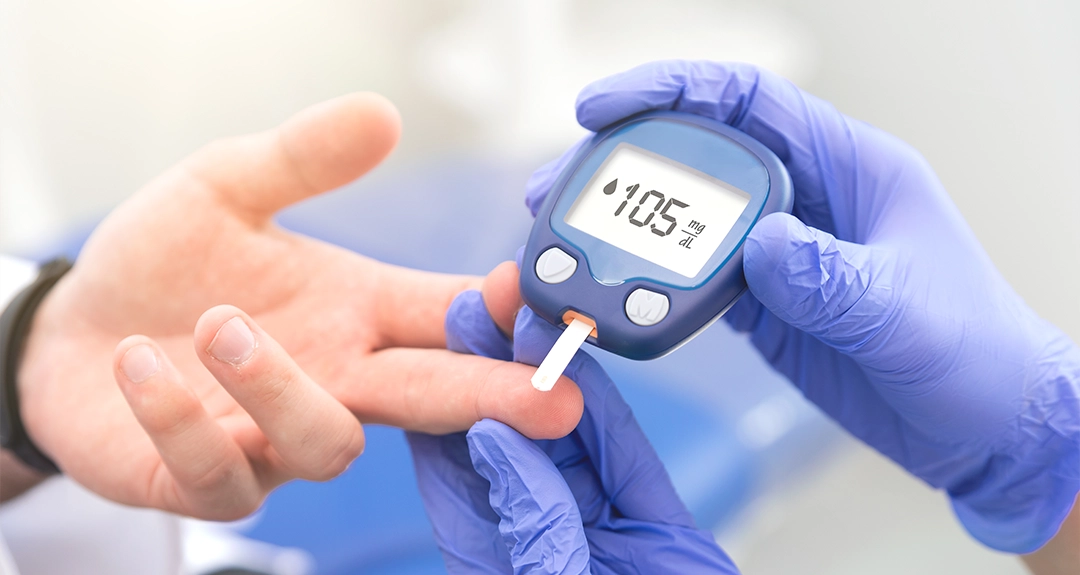
- Type 2 diabetes complications
- Rheumatoid arthritis flares
- Respiratory infections (pneumonia, COPD exacerbations)
- Pregnancy complications (preterm birth, low birth weight)
- Possible links with Alzheimer’s disease
When gum disease becomes chronic, the inflammatory load on your body increases dramatically. And that’s why dentists often say: “Healthy mouth, healthier body.”
How dentists help keep oral pathogens under control
1. Comprehensive gum assessment
Your dentist checks gum pocket depths, inflammation levels, and bone support.
This helps identify early signs before you feel any symptoms.
2. Professional scale and clean
This removes plaque and tartar that your toothbrush simply can’t reach, especially under the gumline.

3. Deep cleaning (scaling and root planing)
This is needed when gum pockets deepen. It smooths root surfaces, removes pathogenic colonies, and allows the gums to heal.
4. Periodontal maintenance
Regular follow-ups prevent bacteria from regrouping and launching another attack.
5. Advanced options
- Antibacterial rinses
- Antibiotic gels placed inside gum pockets
- Laser therapy
- Saliva or plaque tests that identify exactly which pathogens are present
Your dentist isn’t just looking after your teeth, they’re protecting your long-term health overall.
How you can fight oral pathogens at home
- Brush twice daily (electric brushes are brilliant for gum health)
- Floss or use interdental brushes
- Use a dentist-recommended mouth rinse
- Limit sugary snacks
- Quit smoking (oral pathogens love smokers)
- Keep regular dental visits — don’t skip them
Small habits create long-term health.

Your mouth matters more than you think
Your mouth isn’t just the start of your digestive system; it’s the gateway to your entire body. Letting harmful bacteria thrive is like ignoring termites in a timber house. You may not see the damage right away, but it’s happening quietly, steadily, and often with lifelong consequences.
Caring about oral pathogens shouldn’t be seen as an optional extra. It’s can protect your health, your confidence, and your future.
If you’ve noticed bleeding gums, bad breath, or haven’t seen your dentist in a while, now’s the perfect time to get things back on track. A good clean, a proper check-up, and some consistent daily habits can make an enormous difference.
Your smile and your whole body will thank you for it.