
How to know if clear aligners are right for you
Straight teeth don’t just look better. They work better too. — A well-aligned bite protects your teeth, gums, and jaw. The metal braces of yesteryear aren’t your only option anymore. People now have a nearly invisible, removable way to straighten their teeth and improve function at the same time — clear aligners.
Clear aligners can deliver excellent results, but they are not suitable for every case. Scroll down to learn where clear aligners shine, and where another treatment may be needed.
What are clear aligners?
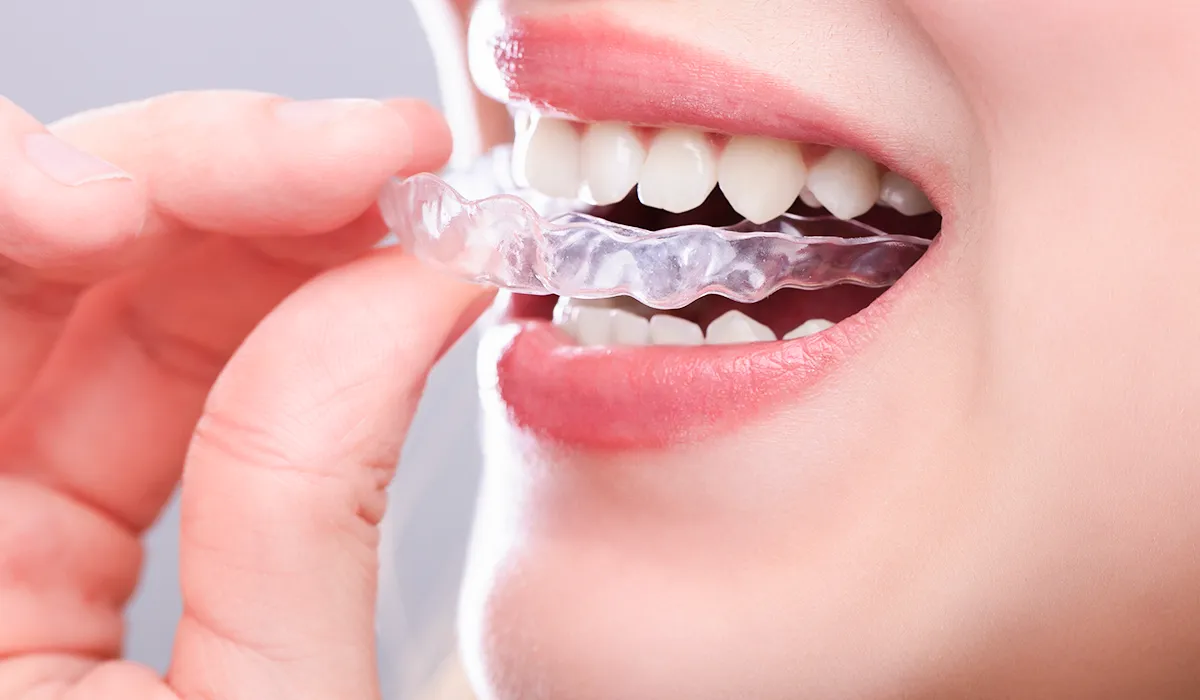
Clear aligners are a series of custom-fitted, transparent trays designed to gradually move your teeth into their correct positions. Each aligner is digitally planned and fabricated to apply gentle, controlled forces on specific teeth, guiding them through small, precise movements over time.
Made from medical-grade, BPA-free thermoplastic, clear aligners are smooth, durable, and virtually invisible when worn. They fit snugly over your teeth and are replaced every one to two weeks with the next set in the series as your treatment progresses.
Being removable means clear aligners let you eat, drink, brush, and floss comfortably. Food restrictions or cleaning challenges that come with fixed braces won’t play a part in your life. Throughout your treatment, your dentist or orthodontist monitors your progress to ensure your teeth are tracking according to plan and that each stage of movement occurs safely and predictably.
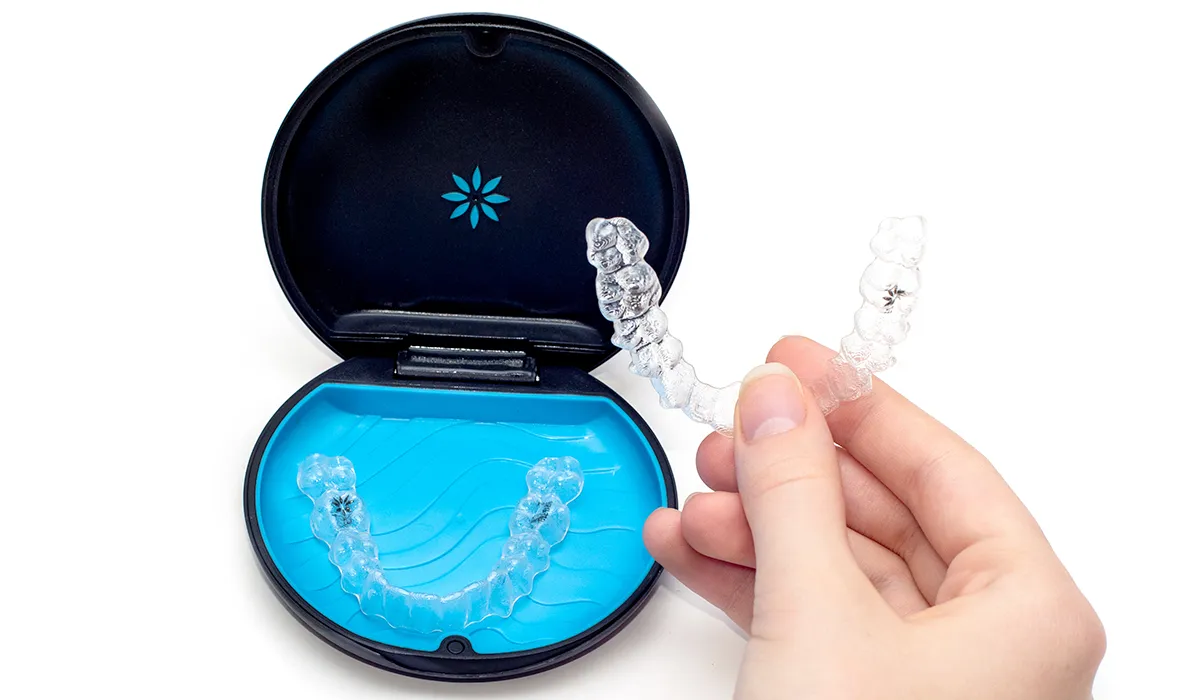
The picture shows Invisalign®, a popular brand of clear aligners.
Situations where clear aligners shine
Clear aligners are highly effective in correcting a wide range of orthodontic concerns, particularly mild to moderate cases. Research shows that clear aligner therapy has a success rate of around 80–90% for mild to moderate tooth movements, making it an effective alternative to traditional braces for many patients (AlMogbel, 2023).
Using precise digital planning and controlled tooth movement, aligners can address the following conditions:
- Crooked or misaligned teeth – Straighten teeth that overlap or are positioned unevenly.
- Overcrowding – Create space and proper alignment when teeth are too close together.
- Spacing or gaps – Close unwanted spaces between teeth for a more uniform smile.
- Overjet – Minimise excessive horizontal overlap where the upper teeth extend too far over the lower teeth.
- Crossbite – Correct cases where one or more lower teeth sit outside the upper teeth when biting down.
- Open bite – Address situations where the upper and lower teeth do not make contact when the mouth is closed.
- Rotated or tilted teeth – Gradually guide teeth into their correct orientation and alignment.
- Relapse cases – Re-align teeth that have shifted following previous orthodontic treatment.
Types of malocclusion
Not all misaligned teeth are the same, and orthodontists often classify bite issues using malocclusion classes. Understanding your malocclusion helps determine whether clear aligners are suitable for your treatment.
Class I malocclusion – Often called neutroclusion, this is where the bite is generally normal, but individual teeth may be crooked, crowded, or spaced. Clear aligners are most effective for these cases and can efficiently straighten teeth while supporting proper bite function.
Class II malocclusion – Also known as overbite, the upper teeth and jaw protrude slightly over the lower teeth. Mild cases can be addressed with clear aligners, but more severe overbites may require braces, functional appliances, or even orthodontic surgery.
Class III malocclusion – Known as underbite, the lower jaw protrudes forward, causing the lower teeth to overlap the upper teeth. Mild cases can sometimes be managed with aligners, but severe cases often need a combination of braces, orthodontic devices, or surgical correction.
Your dentist or orthodontist will assess your bite, jaw alignment, and overall dental structure to determine whether clear aligners are a suitable option. This ensures your treatment is safe, effective, and tailored to your specific needs.
When clear aligners won’t suit
Clear aligners work well for many concerns, but they’re not the right solution for every orthodontic correction. Certain conditions, such as severe bite discrepancies, complex tooth movements, or significant skeletal alignment issues, may be better managed with traditional braces or other treatment methods to achieve predictable and stable results.
Depending on your specific needs, your dentist or orthodontist may recommend:
- Traditional braces – Best suited for complex or multidirectional tooth movements, significant rotations, or severe crowding.
- Functional appliances or expanders – Often used in growing patients to guide jaw development and improve bite relationships.
- Surgical options – In cases of pronounced jaw misalignment or skeletal imbalance, surgical correction may be needed to achieve proper function and aesthetics.

The most suitable treatment depends on the alignment of your teeth, your bite, and your jaw structure. A thorough clinical examination, supported by digital scans and treatment planning, helps determine whether clear aligners or an alternative approach will provide the best outcome.
Benefits of straightening your teeth
Straight teeth play a vital role in oral function and long-term health, while also creating a balanced, attractive smile. Correct alignment can help:
Improve oral hygiene – Well-aligned teeth are easier to clean, making brushing and flossing more effective and reducing the risk of plaque buildup, cavities, and gum disease.
Enhance bite function – Properly aligned teeth distribute chewing forces evenly, reducing wear, strain, and the likelihood of jaw discomfort.
Support long-term health – Aligning teeth can contribute to better digestion, speech, and overall oral function by allowing your mouth to work efficiently.
Maintain structural integrity – Straight teeth help prevent uneven wear and reduce the risk of future dental issues, supporting the durability of your natural teeth.
Support everyday confidence – Patients often tell us they feel more confident showing their smile once their teeth are aligned.
Care that makes you smile
Even the best orthodontic treatment needs ongoing care to protect your results. Brushing twice a day, flossing regularly, and keeping up with routine dental visits all play a part in keeping your teeth, gums, and investment healthy.
After your teeth have been straightened, you usually need to use a retainer on a set schedule to maintain your results and prevent relapse. Retainers can be removable or fixed depending on your treatment plan, and your dentist will advise which option best suits your needs.
Regular dental check-ups allow your dentist to monitor your progress, identify potential issues early, and provide guidance on the most suitable treatment plan for your needs. Remember, preventive care is just as important as treatment when it comes to maintaining a healthy, functional smile.
Where to find your healthier, well-aligned smile
Clear aligners offer a modern, discreet way to straighten teeth and improve bite function, but you need a dental assessment to determine if they’re right for you. The best first step is a thorough assessment with a qualified dental professional, who can recommend the most suitable approach for your individual needs.
No matter the details of your unique smile alignment plan, this is for sure: maintaining good oral hygiene and following your dentist’s after-care instructions is essential to protecting your results. With the right care, well-aligned teeth can offer long-term benefits such as easier cleaning, balanced bite function, and a smile that feels as good as it looks.
See your dentist today. Protect your smile for years to come.